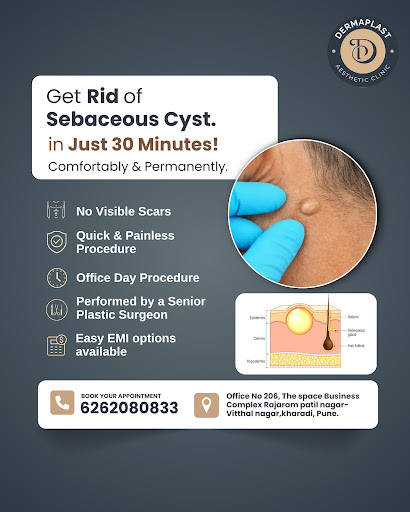
Sebaceous cyst surgery involves removing the entire cyst sac (capsule) to prevent recurrence, typ…
Sebaceous cyst surgery involves removing the entire cyst sac (capsule) to prevent recurrence, typically done under local anesthesia with incision and surgical excision, though smaller incisions or laser techniques exist. While simple drainage helps inflamed cysts, full removal (excision) is key to stopping them from coming back, using methods like traditional wide excision or minimally invasive approaches with punch biopsy. Post-surgery care includes proper wound care, a healthy diet, and avoiding popping the cyst yourself to prevent infection. Surgical Techniques Surgical Excision (Wide Excision): The most effective method, where a larger incision removes the entire cyst and its wall (capsule). Minimally Invasive Excision: A smaller incision is made, the cyst drained, and the capsule removed, leading to less scarring. Punch Biopsy: A small, circular punch tool removes a tiny bit of skin and the cyst wall. Laser Ablation: A less invasive option that vaporizes the cyst and wall with a laser, resulting in minimal scarring. Incision & Drainage: For infected or inflamed cysts, a provider opens and drains it but doesn't remove the sac, so it often returns. What to Expect During Surgery Anesthesia: Local anesthetic is injected, so you feel pressure but not pain. Procedure: The doctor cleans the area, makes an incision, removes the cyst sac, and closes the wound with stitches or allows natural healing. Duration: Usually 10-15 minutes for a single cyst. Dermaplast pune