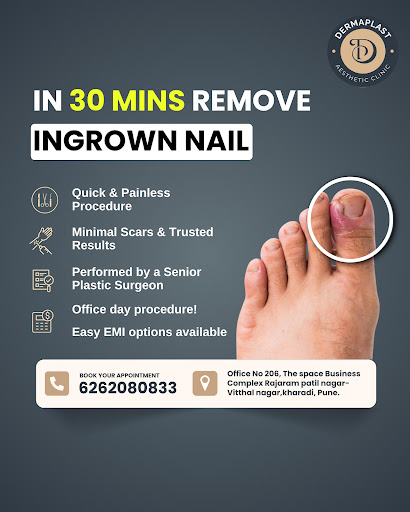
Ingrown nail treatment depends on the severity of the condition and whether an infection is prese…
Ingrown nail treatment depends on the severity of the condition and whether an infection is present. Most mild cases can be managed at home, while chronic or infected nails require professional medical intervention.
At-Home Care (Mild Cases) If you do not have diabetes or poor circulation, you can attempt these conservative treatments: Warm Soaks: Soak the affected foot in warm, soapy water or warm water with Epsom salts for 10–20 minutes, 3–4 times daily. This helps reduce swelling and softens the skin. Lifting the Edge: After soaking, gently lift the corner of the ingrown nail and place a small piece of sterile cotton or waxed dental flossunderneath. This separates the nail from the skin and encourages it to grow above the skin edge. Change this daily. Topical Ointments: Apply an over-the-counter antibiotic ointment (like bacitracin or polymyxin) and a clean bandage to the tender area to prevent infection.Footwear Adjustments: Wear roomy shoes with a wide toe box or open-toed sandals to eliminate pressure on the toe while it heals. Pain Relief: Use non-prescription pain relievers like ibuprofen (Advil) or acetaminophen (Tylenol) as needed. Medical & Surgical Treatments If home remedies fail after 2–3 days or if signs of infection (pus, spreading redness, fever) appear, consult a healthcare provider or podiatrist. Antibiotics: Oral antibiotics may be prescribed if the toe is severely infected. Partial Nail Avulsion: Under local anesthesia, the doctor removes the narrow